Sustainable Home Goods: Green Living Made Easy

Sustainable home goods only count if you keep them. Durability matters more than the label on the packaging.
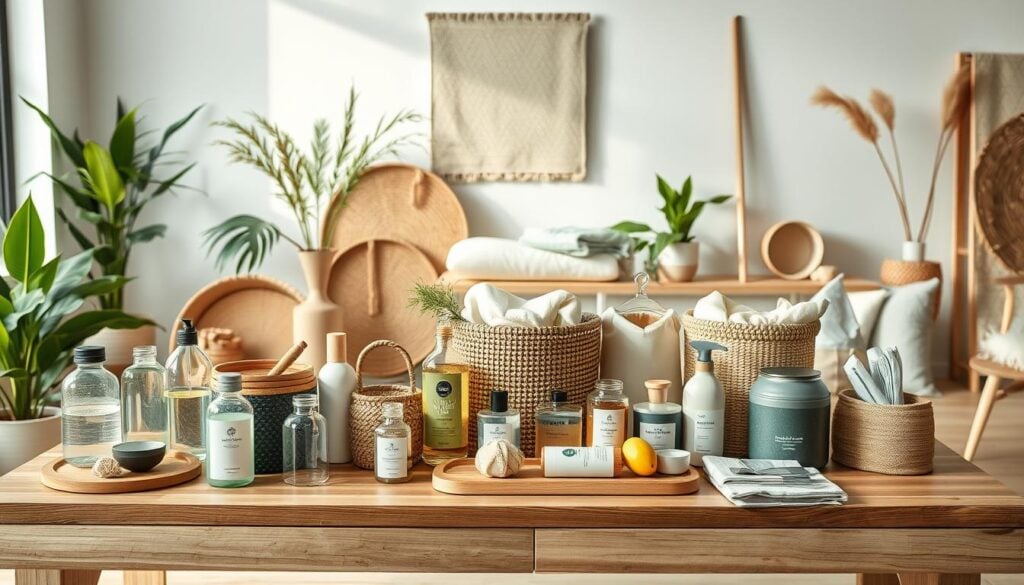
Turning your home green starts with the right stuff. Think water hyacinth baskets or recycled kitchenware. They mix style with caring for our planet.
Choosing items made from nature or recycled stuff helps a lot. It cuts down on trash and supports fair making.
Going green is easy with bamboo towels or glass containers. Even furniture made from old wood helps. These choices cut down on plastic and carbon.
They show you can live green without giving up style.
Key Takeaways
- Sustainable home goods use renewable or recycled materials.
- They reduce waste and promote healthier indoor environments.
- Options like seagrass decor or upcycled items add style with purpose.
- Easy swaps, such as reusable containers, start small but make big impacts.
- These products last longer, saving money over time.
What Are Sustainable Home Goods?
Sustainable home goods are items that help the planet and meet our needs. They are made to reduce waste and pollution. You can find them in your kitchen or living room, blending style with care for the earth.
Definition and Importance
These products use materials like bamboo, recycled plastics, or organic cotton. They cut down on chemicals and waste. By choosing them, we help the planet and support green resources.
For example, a cotton tote bag replaces single-use plastics. It saves energy and water over time.
Key Characteristics of Sustainable Products
Look for items made with recycled content or plant-based materials. Non-toxic dyes or energy-efficient appliances are good too. Durable designs last longer, needing less replacement.
A glass jar from recycled materials is a great example. It serves as storage and cuts waste. Look for certifications like USDA BioBased or Cradle to Cradle to find trustworthy eco-friendly products.
Benefits of Using Sustainable Home Goods
Choosing green household items has many benefits. They make our lives better and help the planet. Let’s see how they make a big difference.
Environmental Impact
Using green household items helps the Earth. They reduce waste and pollution. For example, bamboo grows fast and doesn’t harm forests like wood does.
Choosing bamboo and recycled plastic helps fight climate change. It lowers carbon emissions.
Healthier Living Spaces
Many green household items are safe for our health. Non-toxic paints and natural fibers clean the air. They reduce allergens.
Eco-friendly cleaning products, like those from The Honest Company, are safe. They remove bad smells from our homes. This makes our homes healthier for our families.
Long-Term Cost Savings
Eco-friendly products might cost more at first. But they save money in the long run. Bamboo storage lasts longer than plastic, saving on replacements.
LED bulbs use less energy and lower our bills. This shows that being green can also save money.
Types of Sustainable Home Goods
Make your home greener with environmentally friendly decor and sustainable items. Each type helps reduce waste and supports good practices. You can find everything from furniture to cleaning supplies.
Eco-friendly furniture uses materials like bamboo and recycled metal. Look for sofas with organic cotton and tables made from old wood. These items are stylish and last longer than cheap ones.
Kitchenware that’s good for the planet includes bamboo cutting boards and stainless steel straws. Use glass or biodegradable containers instead of plastic. Now, you can find pots made from recycled aluminum too.
Green cleaning products use natural ingredients in refillable bottles. Microfiber cloths save trees by not using paper. Vinegar-based sprays clean well without harming the air.
Decor made from recycled stuff is cool. Shelves from ocean plastic, vases from melted glass, and art from old fabrics are unique. You can also find rugs from recycled plastic bottles or frames from old wood.
How to Choose Sustainable Home Goods
Choosing the right ethical home essentials is easy once you know what to look for. Look for certifications and materials. These signs show if a product is truly eco-friendly.
Certification Labels to Look For
Check for Global Recycled Standard (GRS) or Forest Stewardship Council (FSC) labels. These show the materials come from good sources. EarthHero picks items that are Fair Trade, showing they care for the planet and people.
Also, look for Cradle to Cradle Certified items. These are made to be recycled from start to end.
Materials to Prefer and Avoid
Choose items made from organic cotton, bamboo, or recycled plastics. Brands like STORAGEWORKS use recycled plastic for their products. This helps reduce waste.
Avoid PVC, single-use plastics, and fabrics that don’t break down. New plastics like d2w might seem good, but stick to proven, certified materials for best results.
Always read labels carefully. This way, you can avoid products that just seem green but aren’t really. Choose ethical home essentials that are truly good for our planet.
Top Brands for Sustainable Home Goods
Looking for sustainable living products? It’s easier with these top brands. They show style and sustainability can mix well.
IKEA’s Sustainable Initiatives
IKEA wants to be circular by 2030. They make furniture from recycled stuff. Their BILLY bookcases use 80% renewable resources.
STUGGAD lamps have recycled aluminum. They show how to reduce waste in everyday items.
West Elm’s Eco-Friendly Offerings
West Elm picks organic cotton for bedding and FSC wood for furniture. Their MELBO sofas have 85% recycled foam.
This mix of comfort and care for the planet is unique.
The Honest Company’s Safe Products
The Honest Company focuses on health and the planet. Their cleaners are non-toxic, and baby gear is safe.
Plant-based laundry detergents and diapers with 60% less plastic are their offerings.
These brands show sustainable living products can be top-notch. Their green innovations lead the way for eco-friendly shoppers.
DIY Sustainable Home Goods
Turning old things into new ones is fun and good for the planet. Upcycling and crafting with things you can recycle helps reduce waste. It also makes your home look unique.
Start with small projects. Like turning an old dresser into something new or making storage from glass jars. Every little bit helps the environment.
Upcycling Ideas for Your Home
Make old furniture new again by refinishing or reupholstering it. Old doors can become cool headboards. Wine corks can make stylish coasters.
Even old clothes or fabric scraps can be used. Turn them into cushion covers or woven baskets. It shows you don’t need to buy new to live sustainably.
Crafts with Recyclable Materials
Use empty toilet paper rolls as pots for plants. Cut up plastic bottles to make desk organizers. Mix cardboard tubes with twine for spice racks.
These crafts turn trash into useful items. They save money and help the environment. Plus, they’re easy to make.
DIY projects let you make your home special while being eco-friendly. Look for ideas on Pinterest or join local workshops. Small steps can make a big difference in your home’s greenness.
Where to Buy Sustainable Home Goods
Looking for eco-friendly items is easy. You can find natural home décor on trusted sites and in local shops. These places make it simple to find what you need.
Online Retailers Specializing in Eco-Friendly Products
EarthHero is a great place to start. They have natural home décor from trusted brands. You can get free shipping and carbon-neutral delivery.
They also have subscription services for things like cleaning supplies. This helps reduce plastic waste. Make sure to check for certifications and read about the brands.
Local Shops and Farmers’ Markets
Local boutiques and farmers’ markets are full of unique finds. You can find upcycled furniture and organic textiles. Buying local helps the environment and supports the community.
Ask the sellers about where they get their materials. This helps you know if they are really sustainable.
Cost Considerations for Sustainable Home Goods
Choosing responsible home accessories means looking at prices. Eco-friendly items might cost more at first. But they last longer and save energy, making them a smart choice for your wallet and the planet.
Initial Investment vs. Long-Term Benefits
Items made from bamboo or recycled plastics last longer than cheap ones. A pricey ceramic water bottle saves you money on buying new ones every month. It also cuts down on waste.
Brands like IKEA offer affordable, long-lasting furniture. They use sustainable wood, showing you can be eco-friendly without spending a lot.
Budget-Friendly Sustainable Options
Buying secondhand or choosing items that can be used in many ways saves money. Thrift stores have affordable, eco-friendly decor. Organic cotton or linen textiles might cost a bit more but need to be replaced less often.
Even small changes, like using reusable cloths instead of paper towels, can save money and reduce waste. Making smart choices on responsible home accessories means spending wisely for both your wallet and the planet.
Making the Switch to Sustainable Home Goods
Changing to eco-friendly products doesn’t need to be hard. Start with small steps. Begin by replacing old light bulbs with new, energy-saving LEDs.
Then, slowly replace furniture or kitchen items. Brands like IKEA have affordable, green options. Small changes can make a big difference.
Tips for Transitioning Your Home
Start with important areas like the kitchen or bathroom. Use reusable items like cloth towels instead of disposable ones. Look for products with FSC or USDA Organic labels.
Online stores like Thrive Market help find good brands. Mix new green items with old decor to save money.
Common Misconceptions About Sustainability
Some think green products cost more, but many are affordable. Try secondhand places like Facebook Marketplace or local thrift stores. They offer good deals.
Others think green products don’t work well. But brands like The Honest Company show they can be effective and safe. Take your time to learn and find the truth.
The Future of Sustainable Home Goods
Eco-friendly choices are growing fast. The home goods world is changing quickly. New stuff and tech promise stylish, planet-friendly products.
Trends in Eco-Friendly Products
Modular furniture and zero-waste packaging are becoming popular. Companies like Method use ocean plastic in bottles. Patagonia leads with recycled cotton.
Even plastics are getting better. D2w plastics break down quicker, helping the planet.
Innovations Influencing Sustainable Living
Smart tech is joining forces with green living. Apps track products, and solar gadgets save energy. 3D printing helps fix things instead of throwing them away.
Startups like My Plastic Free Life use bamboo. Bamboo uses less water than cotton.
Future homes will last longer and be reused. Brands and customers want to know where things come from. They aim for products that show care for people and the planet.
Community and Resources for Sustainable Living
Building a greener home isn’t just for one person. It’s better with friends and good resources. Find these to keep going strong.
Online Platforms and Forums
Find places online where people talk about being green. Sites like Earth911 and Sustainable Jungle have tips and reviews. Local Facebook groups share news and events.
These places make our efforts together stronger.
Workshops and Local Initiatives
Go to workshops in your area. The EPA teaches about recycling. Community gardens and repair cafes help too.
Look for free events at libraries or town halls. They match your green goals.
Being with others makes a bigger difference. Online or in person, we all help each other.