Natural Decor: Bringing Real Materials Indoors

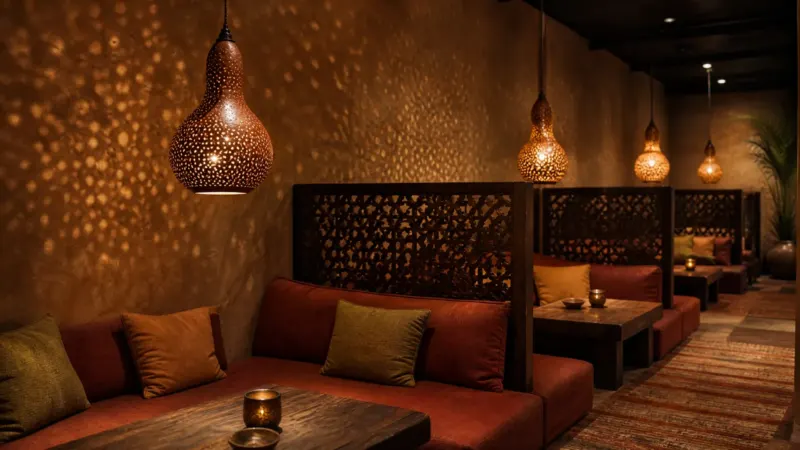
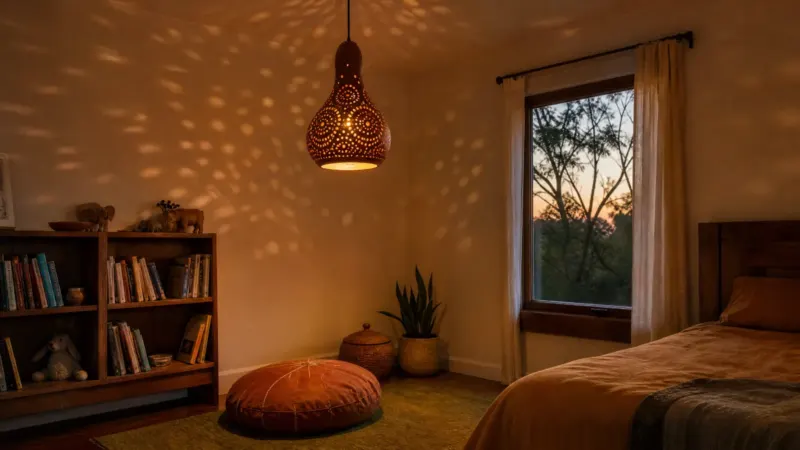
Natural decor is about bringing materials indoors that still carry the marks of where they came from.
Natural home decor makes rooms feel alive and welcoming. Imagine warm wood, lush plants, or soft textiles inspired by nature. These add calm and beauty, while being good for the planet.
Key Takeaways
- Wood, stone, and plants are core elements of natural home decor.
- Earthy tones like greens and browns add warmth to interiors.
- Natural materials improve air quality and reduce stress levels.
- Eco-friendly practices are central to this design style.
- Begin with small items like potted plants or woven baskets.
What is Natural Home Decor?
Natural home decor uses wood, stone, and plants. It brings nature inside, mixing beauty with usefulness. This style is more than just a trend. It’s about making spaces that care for the earth and our health.
Definition and Characteristics
Natural home decor is all about using things from nature. Wood, stone, and fibers like jute or linen are key. These materials highlight texture and natural shapes.
Being real is important. Think of raw wood or handmade pottery. These add warmth and keep spaces healthy by avoiding synthetic stuff.
The Importance of Sustainability
Sustainability means making choices that are kind to the earth. Choosing reclaimed wood or organic cotton helps save resources. Look for labels like FSC for wood or GOTS for textiles to know it’s eco-friendly.
Choosing things that last longer is better. This way, we make homes that are not only lovely but also good for our planet.
Benefits of Incorporating Natural Elements
Natural elements in home decor do more than just look good—they improve health and style. Spaces with plants and organic materials like wood or stone feel fresh and inviting. Eco-friendly design choices create homes that are both beautiful and better for your well-being.
Improved Air Quality
Plants like snake plants or peace lilies act as natural air purifiers. They absorb toxins and add moisture, making rooms feel cleaner. Materials such as wool or bamboo textiles also reduce allergens, creating a healthier indoor environment. These choices align with eco-friendly design principles, promoting respiratory health without harsh chemicals.
Enhanced Aesthetics
Wooden furniture and stone accents bring warmth and texture. Neutral tones of natural materials blend easily with any style, from modern to rustic. Eco-friendly design doesn’t sacrifice beauty—think handwoven baskets or driftwood shelves that add character while keeping spaces stylish and grounded.
Popular Materials in Natural Decor
Starting an organic interior means picking materials that feel earthy. Wood, stone, and plant-based fabrics are key. They mix beauty with caring for the planet.
Wood
Wood adds warmth and texture to any room. Its natural look and feel bring character. Hardwoods like oak or pine are great for furniture and floors.
Choosing wood that’s good for the planet is important. It helps us live in a way that’s kind to the earth.
Stone
Stone brings a rugged beauty. It’s perfect for modern or traditional looks. Marble countertops and river rocks add charm.
Stone lasts a long time. It’s strong and keeps its natural beauty. This makes it a great choice for an organic home.
Plant-Based Fabrics
Materials like linen and hemp are soft and good for the air. They’re perfect for making furniture or curtains. These fabrics are made from plants and don’t harm the environment.
How to Choose Natural Decor for Your Home
Start by thinking about your space. Measure your room to pick the right size for your decor. Light rooms look great with light wood, while dark spots are perfect for stone or woven baskets.
Consider Your Space
Think about what your room is for. Small places need items that do more, like foldable baskets or hanging plants. Big rooms can handle big pieces like live-edge tables or big plants.
Lighting is also key. Place mirrors by windows to make rooms brighter and show off natural fabrics.
Personal Style
Your style should guide your choices. If you like rustic, try wood shelves with earthy linens from Coyuchi or West Elm. Coastal fans might like seagrass baskets and linen curtains.
Don’t forget to mix textures. Smooth stone and rough jute rugs add depth. Look for organic cotton throws or bamboo blinds that are good for the planet and look great.
When shopping for green products, check for certifications like FSC for wood or GOTS for fabrics. Choose timeless pieces and add small touches like a potted plant or vase. The goal is to find balance between function, style, and nature.
Creating a Natural Color Palette
Nature’s colors can inspire your home’s look. Choose earthy tones like terracotta, mossy greens, or sandy beiges. These colors remind us of nature, bringing calm and balance.
Match them with nature-inspired furniture for a complete look. Think about a reclaimed wood sideboard or a rattan accent chair.
Earthy Tones
Earthy tones look great when mixed. Try a pale sage wall with a driftwood coffee table for depth. Neutral colors let bold pieces stand out, like a terracotta vase.
West Elm has sofas in forest green or clay-brown. These add warmth to modern rooms. Choose colors based on the room’s use: soft grays for living, sunny yellows for kitchens.
Inspiration from Nature
Think beyond the usual. Imagine desert sunsets or ocean waves. A coral sofa with navy textiles brings coastal calm.
Even small things matter, like a terrazzo vase or a linen throw with leaf patterns. Nature-inspired furniture, like stone side tables, draw the eye. Mix bold colors with neutrals for a balanced look. Let your home tell a story of the outdoors every day.
Going Green: Incorporating Plants
Adding live plants to your home makes it lively. It also helps the planet. Plants like snake plants and succulents are stylish and easy to care for.
They clean the air and connect us to nature. Let’s find out how to pick and care for plants. This way, your home becomes a green, thriving space.
Best Indoor Plants for Decor
Snake plants are great for dark places and clean air. Pothos vines look good on shelves. They’re perfect for modern homes.
Fiddle-leaf figs make a bold statement. Succulents like jade plants add texture to simple designs. These plants are good for the planet because they need little care.
Maintenance Tips for Houseplants
Water plants carefully. Most plants do better with less water. Use pots with holes to let water drain.
Let the soil dry before watering again. Turn plants to get even sunlight. The Sill has guides for different plants.
Dust leaves with a soft cloth every month. This keeps them looking good. Taking care of plants makes them beautiful and healthy.
Sustainable Practices in Home Decor
Biophilic design is more than just plants. It’s about making eco-friendly choices and being creative. Using recycled materials makes old things new again. This way, we can reduce waste and make our homes stylish.
Recycled Materials
Countertops from crushed seashells and rugs from ocean plastic are just the start. Brands like Trexo and ECO6 Design show how these materials can look great. Using recycled materials adds texture and helps the planet.
Upcycled Furniture
Turning old furniture into new pieces is amazing. Old dressers get a new look with eco-friendly paint. IKEA and Wayfair now sell upcycled furniture, showing style and sustainability can go together.
DIY Natural Decor Projects
Make everyday items into special home decor with simple DIY projects. Use nature’s gifts to create decor that shows your style. Start with small projects and let your creativity flow—no need for special skills.
Handmade Centerpieces
Give old jars or bowls new life with dried flowers, pinecones, or seashells. Find these items on walks or reuse them from nature. Arrange them in a way that looks like art, changing with the seasons.
For a modern look, glue moss to a tray and add small succulents. You don’t need soil for this.
Custom Wall Art
Use driftwood to make geometric shapes for a rustic frame. Press leaves between glass or layer twigs for abstract designs. You can also dye canvases with natural colors and paint landscapes.
Even bark or dried grasses can make striking wall art. These projects save money and reduce waste. Mix found items with glue, paint, or twine to tell your story. Each piece adds warmth and uniqueness, making your space special.
Seasonal Decor with Natural Touches
Nature changes with the seasons, so should your home. Swap out a few items to keep your space fresh all year. Natural decor adapts easily with color and texture shifts, making seasonal updates simple and sustainable.
Spring and Summer Ideas
Bring lightness indoors with pastel-colored cushions and woven rattan baskets. Swap heavy throws for linen blankets in soft whites or sky blues. Add trailing plants like pothos or succulent gardens in terracotta pots.
Brands like West Elm offer affordable rattan accents to brighten rooms. Fresh floral arrangements, such as lavender or sunflowers, add seasonal color without synthetic materials.
Autumn and Winter Inspirations
Warm up spaces with deep reds, oranges, and golds. Use wool throws, faux fur blankets, or knitted cushions from brands like Crate & Barrel. Display pinecones, dried eucalyptus, or cinnamon sticks in glass jars.
Layering textures like burlap placemats or cork coasters works well. For winter, swap plants to hardy evergreens or poinsettias. Wood candle holders or woolen decor keep the natural theme alive through colder months.
Shopping for Natural Home Decor
Finding the right natural home decor starts with knowing where to look. Look for authentic products in specialty stores, local markets, and trusted online shops. Here’s how to spot quality options that align with eco-friendly goals.

Where to Find Authentic Products
Specialty retailers like Flooring America offer wood and stone pieces. Online platforms such as Artfully Walls have handcrafted decor from organic materials. Local farmers’ markets or craft fairs have handmade items from regional artisans.
Always check labels for materials like organic cotton or reclaimed wood.
Brands Committed to Sustainability
Brands like West Elm and Pottery Barn have eco-friendly lines. Look for certifications like FSC for wood or GOTS for textiles. Companies like Boll & Branch use organic cotton.
Brands like Crate and Barrel use recycled metals. Choose businesses that publish sustainability reports or partner with environmental nonprofits.
Final Thoughts on Natural Home Decor
Adding natural elements to your home is more than just style. It’s a way to care for your space and the planet. Wood accents and potted plants bring warmth and purpose. Let these ideas help you create a home that feels connected to nature.
Embrace Nature in Your Home
Begin with eco-friendly materials like bamboo or recycled wood. Stores like West Elm and Crate & Barrel have stylish, green options. A small fern or stone vase can make a room peaceful. Choosing natural decor helps the planet and makes your home feel calm.
Create Your Personal Sanctuary
Blend earthy colors with personal items like handmade pottery or woven baskets. Update your decor with the seasons—like adding autumn leaves or winter evergreens. Your sanctuary grows with DIY projects and seasonal changes. Each step towards natural design makes your space special and connected to the world.